
Others, Pharmacy packaging company
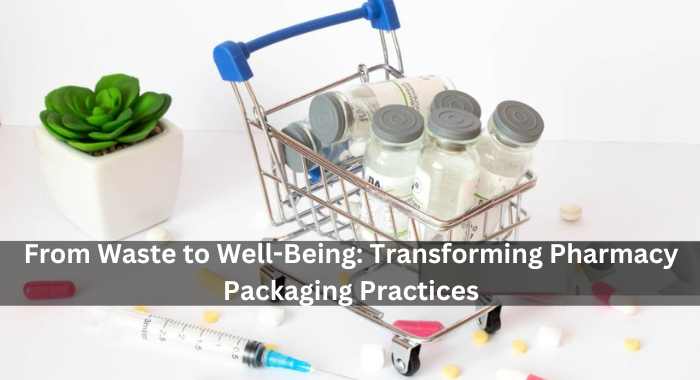
From Waste to Well-Being: Transforming Pharmacy Packaging Practices
06
Dec
Dec
From Waste to Well-Being: Transforming Pharmacy Packaging Practices
Introduction:
In the ever-evolving landscape of healthcare, the role of pharmacies extends beyond the prescription counter. As stewards of community well-being, pharmacy owners are increasingly recognizing the imperative to transform their packaging practices. In this blog post, we explore the journey “From Waste to Well-Being,” shedding light on how innovative pharmacy packaging practices can contribute not only to environmental sustainability but also to the health and well-being of communities.
1. The Current State of Pharmacy Packaging:
- Acknowledge the prevalent challenges and environmental impact associated with traditional pharmacy packaging.
- Highlight the need for a paradigm shift to address these issues.
2. Embracing Eco-Friendly Materials:
- Explore the range of eco-friendly packaging materials available for pharmacies.
- Discuss the benefits of materials such as recyclable plastics, biodegradable options, and sustainable alternatives.
3. Reducing Environmental Footprint:
- Discuss strategies for waste reduction in pharmacy packaging.
- Explore the concept of a circular economy in which packaging materials are recycled and repurposed.
4. Innovative Packaging Solutions:
- Showcase cutting-edge innovations in pharmacy packaging that minimize waste.
- Highlight examples of pharmacies adopting creative solutions to reduce their environmental impact.
5. The Impact on Community Health:
- Draw connections between sustainable packaging practices and community health.
- Emphasize how reducing environmental harm positively contributes to the overall well-being of local residents.
6. Customer Engagement and Education:
- Explore the role of customer awareness in driving sustainable pharmacy packaging practices.
- Discuss the potential for community engagement programs and educational initiatives.
7. Cost-Efficiency and Sustainability:
- Debunk the myth that sustainable packaging is cost-prohibitive.
- Highlight how adopting eco-friendly practices can lead to long-term cost savings.
8. Regulatory Compliance and Standards:
- Emphasize the importance of adhering to environmental regulations.
- Discuss the role of industry standards and certifications in ensuring sustainable pharmacy packaging.
9. Collaborative Initiatives:
- Encourage collaboration with packaging suppliers committed to sustainability.
- Discuss the benefits of forming partnerships with suppliers who share the same environmental values.
10. Case Studies: Success Stories in Sustainable Pharmacy Packaging:
- Showcase real-world examples of pharmacies that have successfully transformed their packaging practices.
- Highlight the positive outcomes, both environmentally and in terms of community impact.
Strategies for Pharmacy Owners
1. Acknowledging the Challenge:
- Recognize the environmental challenges associated with traditional pharmacy packaging.
- Set the stage for the need to transform packaging practices.
Eco-Friendly Materials:
2. Exploring Sustainable Alternatives:
- Introduce a variety of eco-friendly packaging materials available for pharmacies.
- Discuss the benefits of materials like recyclable plastics, biodegradable options, and sustainable alternatives.
Reducing Environmental Footprint:
3. Strategies for Waste Reduction:
- Discuss practical strategies for minimizing waste in pharmacy packaging.
- Highlight the concept of a circular economy, emphasizing recycling and repurposing.
Innovative Packaging Solutions:
4. Showcasing Innovation:
- Highlight cutting-edge innovations in pharmacy packaging that prioritize sustainability.
- Discuss how these innovations contribute to waste reduction and environmental conservation.
Impact on Community Health:
5. Connecting with Community Well-Being:
- Explore the broader impact of sustainable packaging on community health.
- Discuss how environmentally conscious practices contribute to the overall well-being of local residents.
Customer Engagement and Education:
6. Raising Customer Awareness:
- Emphasize the role of customer awareness in driving sustainable pharmacy packaging practices.
- Discuss the potential for community engagement programs and educational initiatives.
Cost-Efficiency and Sustainability:
7. Debunking Cost Myths:
- Challenge the misconception that sustainable packaging is cost-prohibitive.
- Highlight how eco-friendly practices can lead to long-term cost savings.
Regulatory Compliance and Standards:
8. Ensuring Compliance:
- Stress the importance of adhering to environmental regulations in pharmacy packaging.
- Discuss the role of industry standards and certifications in ensuring sustainability.
Collaborative Initiatives:
9. Building Partnerships:
- Encourage collaboration with packaging suppliers committed to sustainability.
- Discuss the benefits of forming partnerships with suppliers who share environmental values.
Case Studies: Success Stories in Sustainable Pharmacy Packaging:
10. Real-World Examples:
- Showcase case studies of pharmacies that have successfully transformed their packaging practices.
- Highlight positive outcomes, both in terms of environmental impact and community engagement.
Why From Waste to Well-Being: Transforming Pharmacy Packaging Practices
1. Environmental Conservation:
- Reducing Carbon Footprint:** Sustainable packaging practices minimize the environmental impact, decreasing the carbon footprint associated with traditional packaging methods.
- Waste Reduction:** Embracing eco-friendly materials and waste reduction strategies contributes to the overall reduction of packaging-related waste.
2. Community Well-Being:
- Public Health Impact: Sustainable packaging aligns with broader public health goals by creating a healthier environment for community members.
- Community Perception: Adopting eco-friendly practices enhances the pharmacy’s image, fostering positive perceptions among customers who prioritize environmentally conscious businesses.
3. Economic Efficiency:
- Long-Term Cost Savings: While there may be initial investments in sustainable practices, the long-term benefits include cost savings through optimized processes, reduced waste disposal expenses, and potential operational efficiencies.
4. Customer Engagement and Loyalty:
- Consumer Preference: An increasing number of consumers prefer businesses that demonstrate environmental responsibility.
- Building Trust: Transparent efforts to reduce waste and adopt sustainable practices build trust with customers who appreciate socially and environmentally responsible businesses.
5. Regulatory Compliance:
- Adhering to Standards: Transforming packaging practices ensures compliance with environmental regulations and industry standards, mitigating the risk of legal issues and penalties.
6. Innovation and Adaptability:
- Competitive Advantage: Pharmacies that lead in sustainable packaging practices gain a competitive edge in the market, attracting environmentally conscious customers.
- Adaptability: Embracing innovation in packaging positions pharmacies as adaptable and forward-thinking businesses in a rapidly changing industry.
7. Collaborative Partnerships:
- Strengthening Supply Chains: Collaborating with suppliers committed to sustainability fosters strong partnerships and contributes to a shared vision of reducing environmental impact.
- Industry Leadership: Pharmacy owners can lead by example, influencing suppliers and peers to adopt similar eco-friendly practices.
8. Educational Initiatives:
- Community Empowerment: Educational programs on sustainable packaging engage and empower both pharmacy staff and the local community to make informed, environmentally conscious choices.
- Positive Influence: Pharmacies have the opportunity to become positive influencers, encouraging sustainable behaviors within their communities.
9. Healthier Future:
- Holistic Health Approach: Transforming packaging practices aligns with a holistic approach to health, considering not only the well-being of patients but also the health of the environment in which they live.
- Preserving Resources: By reducing waste and embracing sustainable practices, pharmacies contribute to the preservation of natural resources for future generations.
In essence, the transformation from waste to well-being in pharmacy packaging practices is a multifaceted journey that intertwines environmental responsibility, community health, economic efficiency, and forward-thinking innovation. It represents a commitment to a healthier, more sustainable future for both pharmacies and the communities they serve.
Conclusion:
Ultimately, the transformation from waste to well-being is a shared responsibility. As we collectively adopt and champion sustainable packaging practices, we not only contribute to the well-being of our planet but also foster a healthier and more resilient future for our pharmacies and the communities we serve. Let us continue to innovate, educate, and inspire change, turning every packaging decision into a positive step towards well-being, for our pharmacies and the world we call home.
